News Center
Shandong Zhensure New Materials Technology Industry Co., Ltd.


 TEL:+86 19953115220


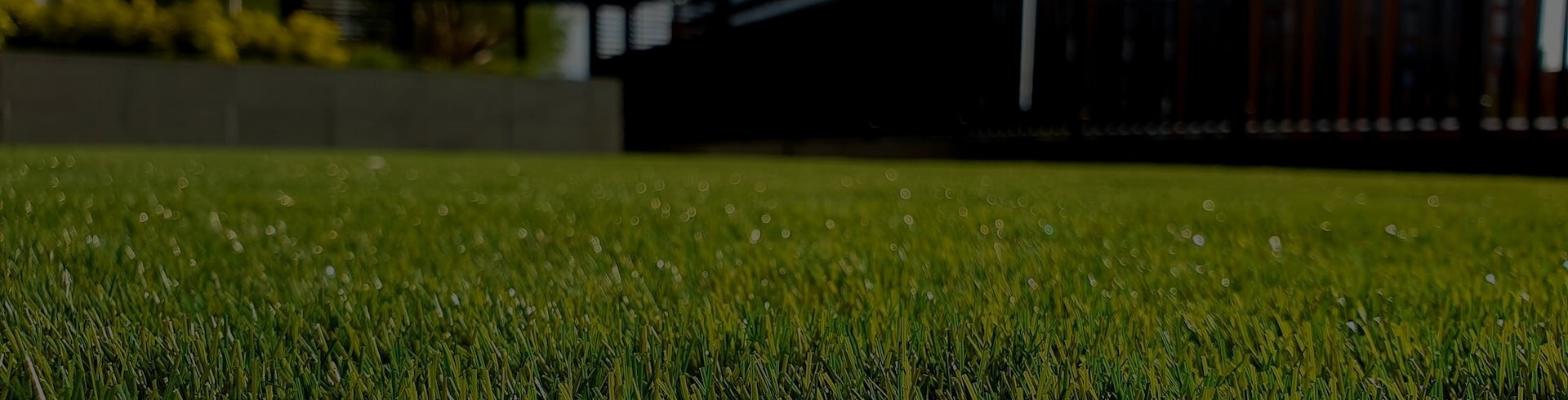
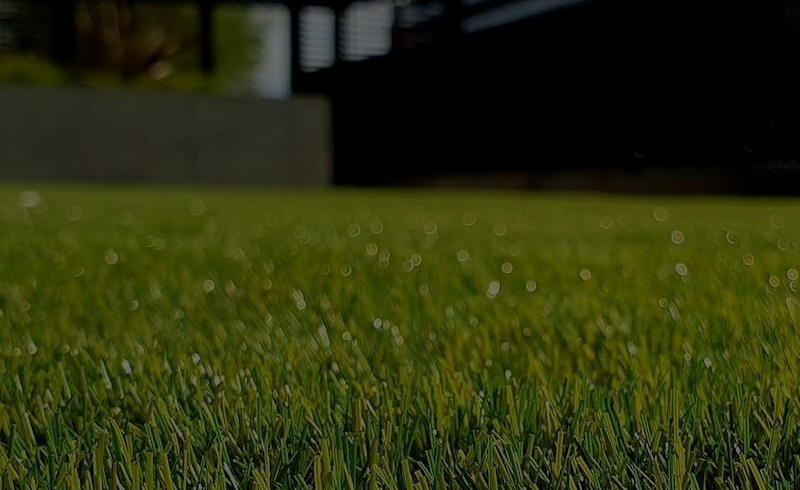
When selecting Artificial turf, many buyers focus on material quality alone. However, specifications like pile height significantly influence the final look. Long-pile turf (above 30mm) creates a fluffy, natural meadow feel with richer texture, brighter colors, and higher gloss. Short-pile turf (below 25mm) offers a neat, manicured appearance – clean, tidy, and modern.
As cities grow, the demand for attractive green spaces increases. Artificial turf offers an ideal solution – not just for sports fields, but also for commercial spaces, rooftop gardens, and residential landscapes. Its UV resistance, color stability, and durability make it suitable for diverse applications.
When choosing Artificial turf for a landscaping or sports project, many buyers focus primarily on material quality. However, specifications such as pile height, grass blade shape, density, and backing design also greatly influence the final visual effect. Understanding these factors helps you achieve the perfect balance between aesthetics, functionality, and budget.
With rapid technological advancement, Artificial turf is increasingly replacing natural grass in landscapes, sports fields, and recreational areas. Its low maintenance cost, durability, and year‑round greenery make it a preferred choice worldwide. Understanding how synthetic grass is made helps buyers appreciate the quality behind each roll. Below, we walk through the seven essential steps of artificial turf production.
Living in the concrete jungle of modern cities, balconies have become more than just spaces for drying clothes or storing household items. They represent a peaceful retreat where we can escape the urban hustle. When considering ways to beautify these outdoor spaces, many people instinctively think of planting flowers and greenery. This not only nurtures the soul and enhances the visual appeal of one's home but also contributes meaningfully to urban greening efforts.
When selecting synthetic grass for a project, buyers often focus on material quality and durability. However, one factor that significantly impacts the final look is the specification of the turf. From blade length to density, these technical details determine whether the surface appears lush and natural or sleek and manicured. Understanding how Artificial turf specifications affect visual appeal helps customers make the right choice for their specific application.
As the New Year begins, it brings a promise of new beginnings and fresh landscapes. Imagine starting this vibrant chapter with a space that stays perfectly green, lush, and full of life—regardless of the season or weather.
Dreaming of a Green Christmas? Artificial Grass Delivers Timeless Holiday Magic
At Zhensure, our recent successful shipments of premium Artificial Grass to clients in Senegal and Hong Kong demonstrate precisely this commitment.